The Project
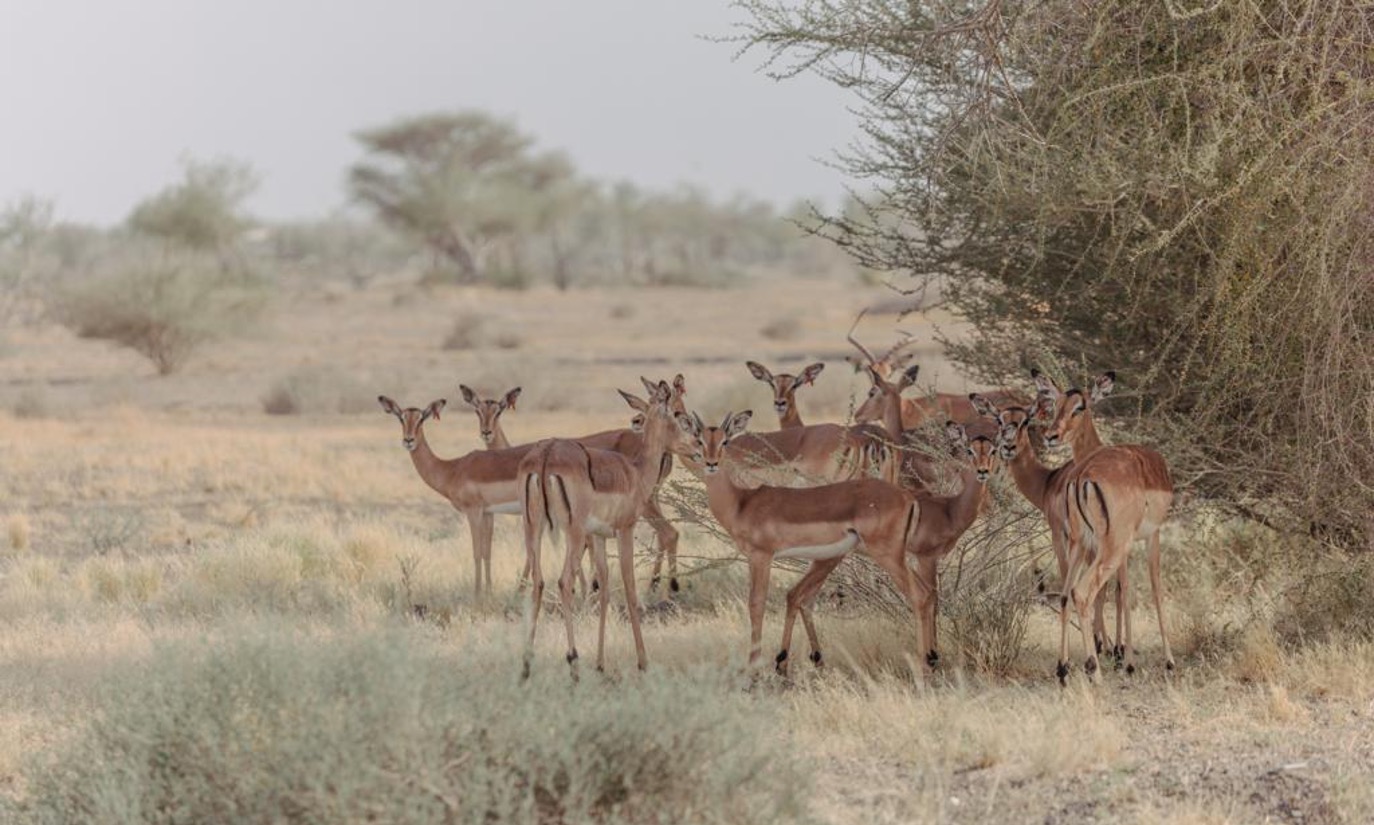
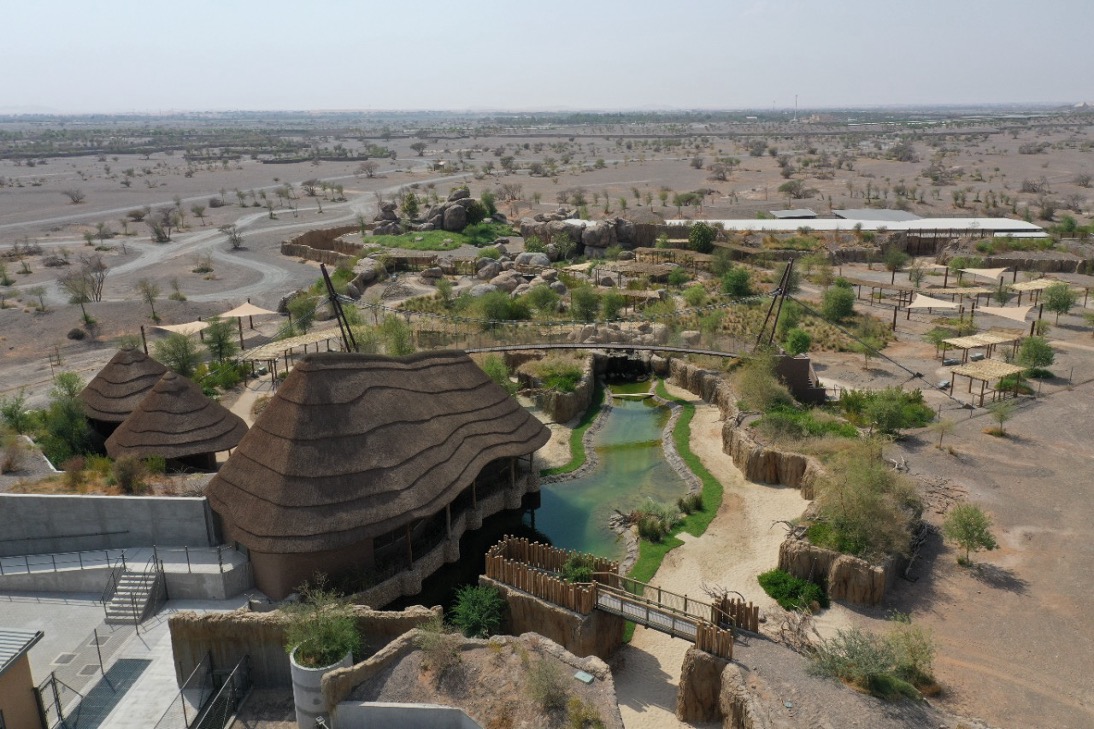
The Dhaid Protected Area is an environmentally sensitive site in Sharjah that is being developed as an African wildlife reserve. The landscape includes large animal enclosures, long runs of perimeter and internal fencing, fodder tree plantations and more formal landscape around residences, accommodation and visitor facilities.
Climatic conditions are arid, with high summer temperatures and minimal rainfall. Vegetation cannot be sustained without a reliable irrigation supply. At the same time, the site’s protected status and ecological ambitions call for careful control of water use and infrastructure placement.
From an engineering point of view, the site’s size and layout naturally divide it into phases, sub-phases and zones. Pumping stations, pipe runs and control points must all work within these physical divisions while still functioning as a coherent system that operators can understand and control.
Our approach and thinking
We approached the project by first breaking the 800-hectare site into manageable units. Phasing, sub-phasing and zoning underpinned the layout of pumping stations, mainlines and control hardware. This framework allowed us to size equipment and pipework realistically and to plan for future expansion as more areas of the reserve are developed.
Given the scale of the pipe network, we treated pumping and control as closely linked problems rather than separate packages. Eight pumping stations distributed across the site were used to limit mainline lengths, reduce pressure losses and build in resilience. At the same time, we looked for a control system that could handle thousands of devices without requiring an unmanageable web of control cables.
Animal welfare was an explicit design driver. We considered not only how to deliver water to trees and planting, but also how animals might interact with the infrastructure. This meant giving particular attention to installation depth, the robustness of exposed components and the design of valve boxes in areas frequented by heavy animals.
Throughout, we coordinated our assumptions with the client team so that irrigation design aligned with enclosure layouts, movement corridors, fodder plans and the wider operational model of the reserve.
The Irrigation Solution
Network scale and components
The final irrigation layout covers approximately 800 hectares and uses around 442 km of pipework. Across the site, the system includes in the order of:
- 1,400 solenoid valve assemblies
- 200 isolation valves
- 12 rain gun assemblies
- 458 sprinkler assemblies
- 32,280 pressure-compensating bubblers for root watering
- 6,357 pressure-compensating emitters
- 258,000 linear metres of pressure-compensating dripline
These components are distributed across phases, sub-phases and zones to match land use, planting type and operational priorities.
Pumping stations and distribution
Eight pumping stations are located at strategic points around the site. This arrangement keeps mainline lengths sensible, improves pressure management and provides redundancy in case of localised outages. Each station is designed with appropriate filtration, pressure control and valving to serve its local zones while remaining part of the overall system.
Mainlines from each pumping station feed secondary distribution networks that step down to the various irrigation methods, including rain guns, sprinklers, bubblers and drip. The phased zoning structure allows sections of the site to be isolated for maintenance or future development without disrupting the entire reserve.
Control strategy and use of the site LAN
Control for a site of this size could not rely on traditional short-run control cabling. We proposed the Rain Bird SiteControl system with a decoder-based architecture. A key constraint is that each Large Decoder Interface (LDI) must be located within 15 m of the PC that manages it. The project required four LDIs, and placing them all in a single control room would have led to thousands of metres of additional control cable just to reach distant valves.
To avoid this, we developed a strategy that piggybacked on the site’s LAN. LDIs were installed in the pumping stations closest to the zones they control, and then connected back to the central control PC over the network. This kept decoder wiring local and short, while still enabling centralised monitoring and scheduling. It was an innovative configuration and, at the time, a first-time implementation of this approach in the Middle East.
The result is a control system that can address large numbers of valves, adjust schedules for different zones and provide the client with a single operational view of the reserve’s irrigation.
Results and Value
A coherent system at reserve scale
The project delivers a single irrigation framework for an 800-hectare wildlife reserve, with eight pumping stations and hundreds of kilometres of pipework coordinated through a clear phasing and zoning structure.
Innovative yet practical control approach
By integrating LDIs within local pump rooms and using the site LAN, the design avoids excessive control cabling while retaining centralised management via the Rain Bird SiteControl platform.
Support for fodder and habitat creation
The system underpins the establishment of fodder trees and enclosure planting, supporting both animal nutrition and the creation of more naturalistic habitats within a harsh climate.
Operational clarity for the client team
The phased layout, defined zones and centralised control make it easier for EPAA and their operators to manage irrigation, implement maintenance and plan future expansion of the reserve.
Infrastructure that respects animal welfare
Subsurface irrigation buried deep within enclosures and heavy-duty valve box lids reduce the risk of damage, hazards or unintended interaction by large animals such as elephants and rhinos.